Home / Repairing Cracked Welds and Bent Bars
Repairing Cracked Welds and Bent Bars
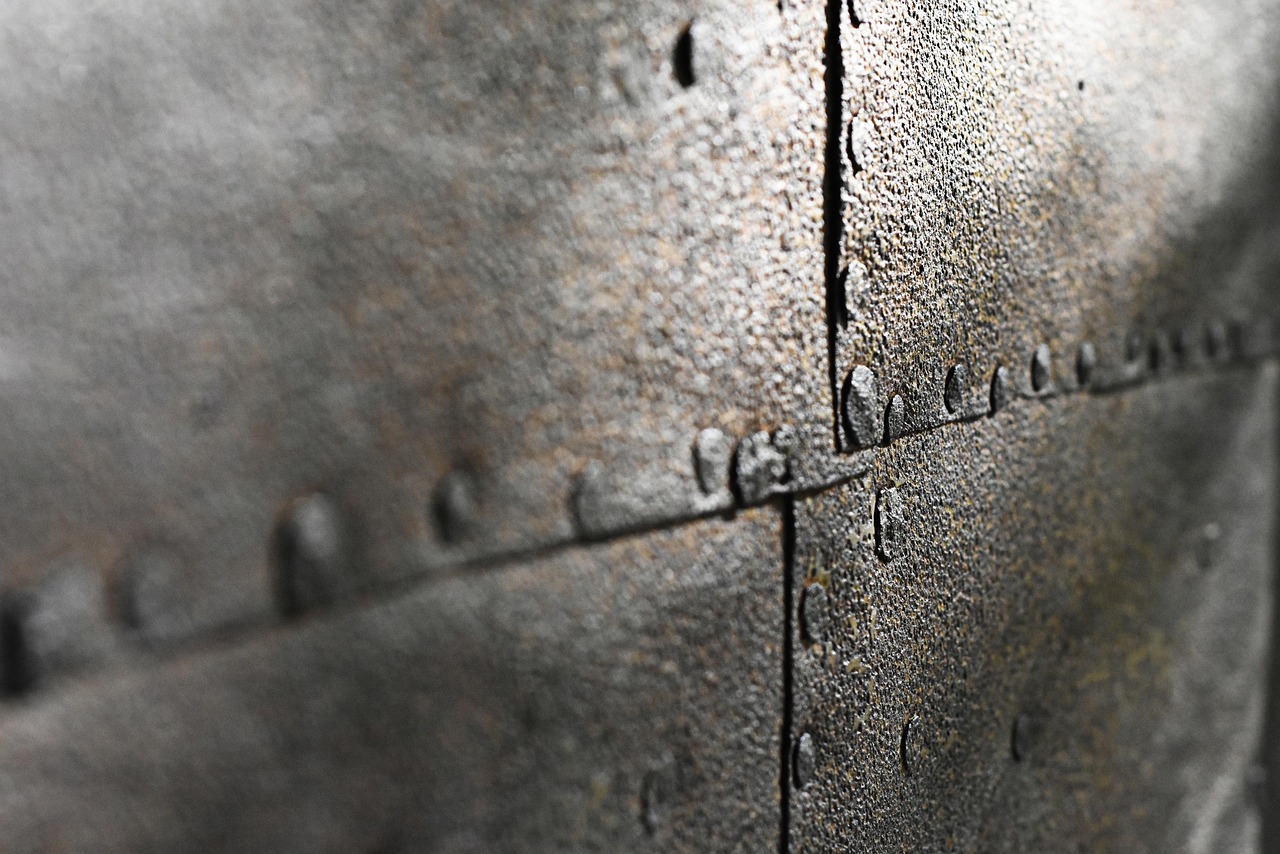
Cracked welds and bent bars on an old gate can usually be repaired if the surrounding metal is still sound. The work follows a plain order: find every failed joint, straighten what can be straightened, grind out and reweld what has cracked, and replace any section that has thinned too far to trust. Repairs done in that order last, while quick patches on weak metal fail again within a year.
Finding the failures
Cracks hide under paint and rust, so the search starts after stripping. Look at every joint where one bar meets another, especially at corners of the frame, where scrolls attach and around the hinge and latch. A fine dark line at the edge of a weld, a rust stain streaking down from a joint or a gap that opens when the gate is pushed by hand all point to a failed joint.
Wiggle each bar by hand with the gate laid flat. Joints that move are cracked, even if the crack cannot be seen. A light tap with a small hammer, listening for a dull sound instead of a ring, finds bad joints too. A dye penetrant kit, sold for metalwork, brings out hairline cracks that the eye misses, and it is worth using on gates that carry real weight.
Why welds crack
Understanding the cause helps stop a repeat. Old joints crack from fatigue, since every swing flexes the frame a little. Rust expands inside a joint and pries it apart. A sagging gate puts twisting loads on the corners that they were never designed to take. Some old welds were simply poor from the start, with weak fusion that held for decades and then let go.
If the gate sagged before the crack appeared, fix the sag at its source, which is usually loose hinges, a leaning post or a missing brace. Rewelding a corner without fixing the load that broke it just sets up the same failure.
Straightening bent bars
Bars bend when a vehicle strikes a gate, when a tree limb falls on it or when someone forces it open. Small bends can often be straightened cold with a press or a clamp and a bar. Larger bends respond better to heat from a torch, applied evenly and slowly, followed by gradual pressure. Work in small steps and check the shape often, since metal that is overworked will crack.
Old wrought iron and early steel behave differently from modern mild steel. Wrought iron has a fibrous grain that can split along its length if bent too sharply, and early steel can be brittle. If a bar kinks or shows a crack as it is bent, stop and replace that piece instead of forcing it back into shape.
Grinding out and rewelding
A cracked weld should be ground out completely, down to clean metal, before it is rewelded. Welding over a crack hides it but does not cure it. Grind a shallow vee along the crack, make sure no line of the crack remains, and weld the groove in several passes so the heat does not warp the frame. Clean each pass before laying the next.
The filler metal should suit the base metal. Mild steel gates take common mild steel filler, while true wrought iron needs a welder who knows how that material behaves. A small test weld on a hidden spot shows how the metal responds before the real repair begins.
Controlling warp
Heat from welding pulls metal out of shape. A gate welded all in one spot can twist, leaving a leaf that no longer lies flat. Clamp the frame to a flat table or jig before welding, work in short beads and alternate sides so stresses balance. Let the metal cool between passes rather than rushing, and check the frame for square after each repair.
If the gate has already warped, a few light taps with a hammer on a firm surface, or heat applied to the high side, can bring it back. Fix warp before the gate returns to its posts, since an out of square frame will not hang straight no matter how the hinges are set.
Replacing a thinned section
Some bars are too far gone to save. Rust that has eaten a bar to half its thickness leaves little to weld to. Cut out the weak section well back into sound metal, make a replacement from matching stock and weld it in with a joint that spreads the load. Grind the weld flush if the gate is to be smooth, or leave it as a visible repair if the character of the gate allows it.
Decorative pieces like scrolls and finials can often be reproduced by a blacksmith or fabricator using the original as a pattern. Keep the original piece if it is not completely destroyed, because it serves as the template and may be reusable after cleaning.
Checking the work
After the repairs, check each joint again with the dye test or a careful look under bright light. Lay the gate flat and check it against a straight edge. Hang it temporarily and open and close it several times to see if anything flexes or creaks. Only after the frame passes these checks should primer and paint go on.
A well repaired gate carries its weight as it did when new. The repair should be invisible after painting, and the gate should keep its line, its swing and its latch for another generation.
When to call a specialist
Some repairs are beyond a home workshop. A gate that carries a vehicle load, an automatic opener or a pool barrier role deserves a qualified welder, and so does any gate of real age or value. Ask to see examples of past restoration work, and ask how the shop controls warp and tests joints. A good fabricator will explain what failed and why, show the damaged metal and give an honest view on whether repair makes sense. That conversation is a better guide than a low quote.