Home / Keeping Gate Posts Plumb in Shifting Soil
Keeping Gate Posts Plumb in Shifting Soil
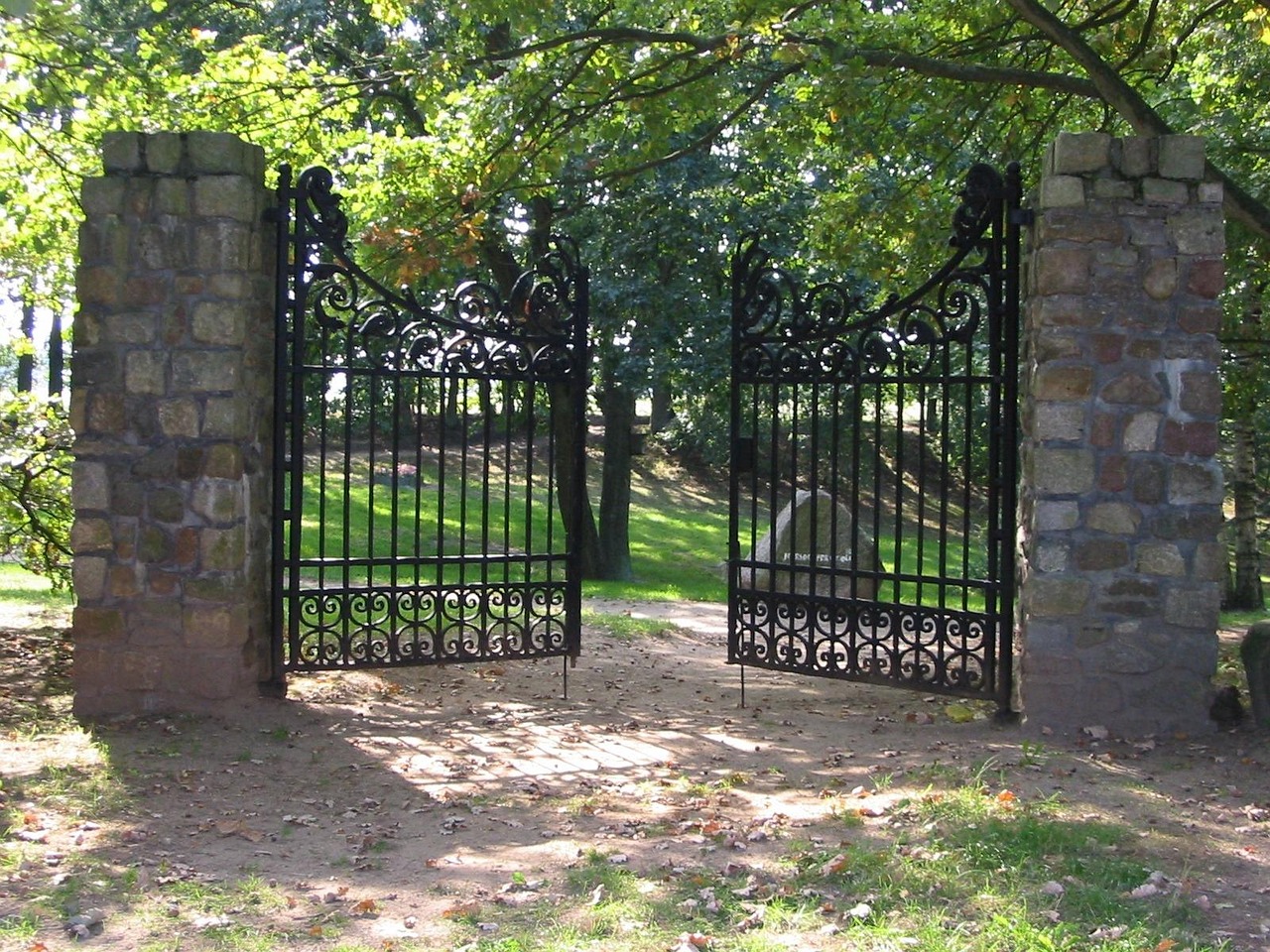
Gate posts stay plumb when the footing is deep enough to reach stable ground, wide enough to resist tipping, shaped to shed water, and set in a way that suits the soil under it. In the Georgetown area that soil changes from yard to yard, from shallow limestone on the west side to black clay that swells and shrinks on the east, so the right footing depends on what is actually in the ground.
Why posts move
A gate post is a lever. The leaf hangs several feet from the post and pulls sideways on it every time the gate swings, and wind adds more. The footing has to resist that twist day after day. If the soil around it changes, the footing shifts and the post leans.
The biggest culprit in central Texas is moisture. Clay soils take up water and expand when it rains, then shrink and crack in the dry months. Each cycle pushes and pulls on the concrete, and a shallow footing can be lifted, tilted or loosened. Thin soil over limestone causes the opposite problem: there may not be enough depth to bury a footing, and a post set in a shallow hole can simply rock.
Know the ground first
Before choosing a footing, learn the soil. Dig a test hole at the post location and look at what comes out. Dark, sticky soil that holds together in a ball when wet and cracks in the dry points to expansive clay. Pale, chalky material and broken rock suggest limestone near the surface. A mix of both is common, with clay sitting in pockets above rock.
Ground conditions can also vary across a single property, so test at each post instead of assuming. Older lots may hold fill, rubble or old foundations that were buried decades ago. Finding that out with a shovel is a lot cheaper than finding it out when a post lets go.
Footings in clay
In clay, depth is protection. Seasonal moisture changes affect the upper layer of soil most, so a footing that reaches well below that layer sits in more stable ground. A common approach is to go deep and keep the footing narrow in the upper part, so there is less surface for swelling soil to grip and lift. Some builders use a sleeve or a smooth form around the upper portion of the footing so clay cannot bond to it.
Drainage around the post helps too. Slope the ground away so water does not stand against the footing, and avoid planting beds that are watered heavily right beside the post. Keeping moisture steady near a post reduces the swing between wet and dry.
Footings in shallow rock
Where limestone is close to the surface, a post can be anchored into the rock itself. A hole is drilled into the stone, the post or an anchor rod is set into it, and the hole is filled with grout or epoxy so the post becomes part of the rock. This holds extremely well, but it takes the right drilling equipment and some time. In places where a short footing is all that fits, a wider base spreads the load and compensates for lack of depth.
Rock is not always sound. Limestone can be fractured, cavity ridden or layered with soft marl, so tap and probe the hole as it is drilled, and be ready to go deeper or shift position if the rock crumbles.
Post size and spacing
A post must be strong enough that it does not bend under the leaf, and sized in proportion to the gate. A small walk gate may be fine on a modest steel post, but a wide or heavy leaf needs a thicker wall and a larger section. Check the post by pushing hard at the top after installation; if it flexes, it is too light. Posts that flex wear out hinges and let the gate sag.
Spacing matters as well. The opening between posts should allow for the leaf, hinge clearance and latch gap, with room for the posts to shift a little without binding. A leaf cut to fit exactly will bind the first time a post moves by a quarter inch.
Concrete details that matter
Use a proper mix and let it cure fully before the gate is hung, which typically means several days and longer in cool weather. Slope the top of the footing so water runs away from the post, and keep the concrete a little above grade so soil and mulch do not pile against the steel. Where the post enters the concrete, a bead of flexible sealant keeps water from creeping down the gap and rusting the post from within.
Inside hollow posts, water can collect and freeze or rust the metal. Capping the top, and leaving a weep hole near the bottom above the concrete, lets moisture escape. For more on planning around local ground, start at georgetown metal gates works.
Checking and correcting
Check each post for plumb with a level when it is installed, again a few months later and after the first long dry spell or wet season. A small lean caught early can sometimes be corrected by adjusting the hinges. A larger one means digging out the footing and resetting it. Do not wait for the leaf to start dragging, since the damage to hinges and the latch builds quietly.
A well set post is one nobody notices, because the gate keeps closing the same way for years. Attention to soil, depth and drainage is what makes that possible.
Signs a post is already moving
Most posts give warning long before a gate fails. The latch side begins to miss its catch by a finger width, the leaf drags at one corner, or the gap between the gate and the fence changes from morning to evening. A hairline crack in the concrete collar, a ring of loose soil at the base or a gap opening between the footing and the ground are all early signs. A level held against the post on two faces tells the truth in seconds.
Seasonal movement is normal and often reverses. A post that leans after a wet spring and straightens in late summer has a footing that is too shallow but not yet failed. A post that leans further each year is losing its grip and should be reset while the leaf is still straight and the hinges are undamaged.
Bracing and adjustable fixes
Where resetting a post is not practical, hardware can buy years. Adjustable hinges let the leaf be raised, lowered or tilted to follow a leaning post. A diagonal brace across the frame keeps the leaf square even when the posts move apart. For wide gates, a cable and turnbuckle across the back stiffens the frame and can be tightened as the season changes. These are repairs for a post that has settled, not a substitute for a good footing on a new gate.