Home / Why Gate Posts Lean in Expansive Clay
Why Gate Posts Lean in Expansive Clay
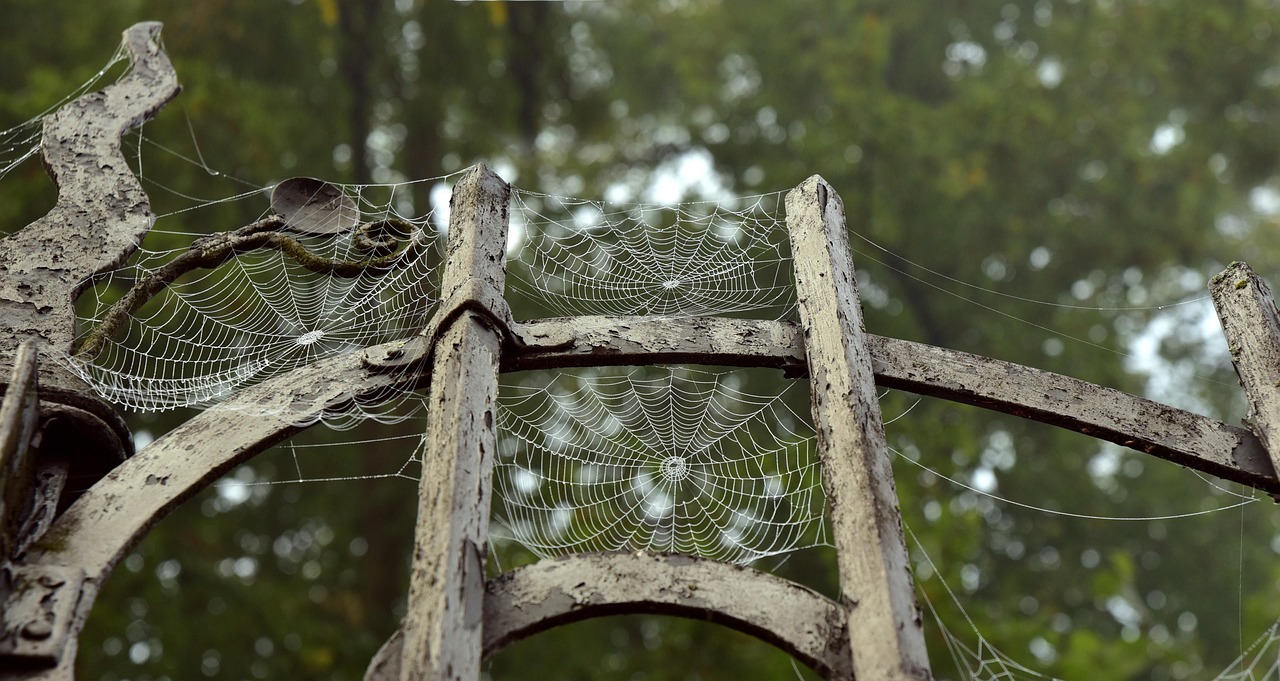
Gate posts lean in expansive clay because the soil swells when wet and shrinks when dry, and each cycle pushes and pulls on the footing. A gate adds a steady sideways load on top of that movement, so a footing that is too shallow or too smooth eventually tips. Knowing how clay behaves explains nearly every leaning post in the black soil country east of Georgetown.
What expansive clay does
Clay is made of very fine flat particles that hold water between them. When rain soaks the ground, the particles pull in water and the soil swells. When dry weather returns, the water leaves and the soil shrinks, often cracking open in wide gaps. A large area of black clay in central Texas can rise and fall by an inch or more across a year, and the movement is strongest in the top few feet.
That movement acts on anything buried in it. A foundation, a pipe or a fence post sits in a soil that is constantly changing size. Because the soil moves unevenly, with the shady side staying damp while the sunny side dries, the push on a post is rarely balanced.
How the swelling grips a footing
As wet clay swells, it grips the sides of a concrete footing and can lift it. This effect, called heave, acts like a hand pushing up on the rough sides of the concrete. When the soil dries and shrinks, it pulls away from the footing and leaves a gap, and the post settles back down but not always to its original spot. Over several seasons the post can climb out of the ground or tilt to one side.
A footing that is wide at the top and narrow lower down offers the most surface for swelling clay to grip. A footing shaped like a bell, common in hand dug holes, is more vulnerable than a straight sided one. Rough sides make the grip stronger, while a smooth form lets the soil slide.
The gate adds its own load
A gate leaf hangs off the side of a post, and its weight pulls the post toward the gate. Each time the gate swings, the pull changes, and wind adds more. In dry soil, the footing resists this twisting. In soil that has been softened by rain, the same footing loosens, and the post tilts toward the gate. As the lean grows, the gate sags, the latch misses and the hinge works harder.
This is why the hinge post leans more often than the latch post. The hinge post carries the weight, and the latch post only guides the leaf. A leaning hinge post will drag the gate into the ground, while a leaning latch post only makes the latch miss.
Water makes it worse
Where water stands near a post, the clay stays wet and soft, and the footing sits in mud. Poor drainage, a downspout emptying beside the post, a sprinkler head or a low spot in the yard all keep moisture high. The soil around a post swells, softens and loses strength, and a gate post in such a spot leans faster than one on well drained ground.
The reverse also hurts. Trees and large shrubs pull water from clay and dry it out, shrinking the soil near their roots. A post near a big tree can drop on the tree side as the soil shrinks, tilting toward it during a dry summer.
Reading the signs
A leaning post shows itself in small ways. The gate begins to rub the ground on one side, the latch lines up poorly in the afternoon and better in the morning, or a gap appears around the base of the post after a dry spell. A crack running along the surface of the soil beside the footing means the clay has shrunk away, and a ridge pushed up on one side means heave.
Check the post with a level on two faces, on a dry day and again after heavy rain. If the lean changes with the weather, the soil is moving. If the lean grows steadily in one direction regardless of weather, the footing is failing, and it should be reset.
What keeps a post upright
Depth is the main defense. A footing that reaches well below the layer of seasonal movement sits in soil that stays steady, and the movement above it has less to grab. Smooth, straight sided footings, made with a cardboard tube or a plastic form, give swelling clay less to hold. Some builders wrap the upper portion of the footing in plastic sheeting so the soil can slide without lifting it.
Managing water helps as much as the footing itself. Direct downspouts away from the post, slope the ground away from the base and avoid heavy watering beside it. Steady moisture means smaller swings in the clay, which means less movement. A post set properly in clay, with good drainage, can stay plumb for decades.
When a post has already moved
A small lean can be corrected by digging out one side, pushing the post upright and refilling with compacted soil or concrete. A larger lean calls for removing the old footing and resetting the post deeper. Do not try to straighten a post by pushing on it alone, because the footing below will still be tilted and the post will drift back.
Use the repair as a chance to improve the footing, with more depth, a straighter form and better drainage. The aim is to make the repair the last one the post ever needs.
Planning ahead for new gates
Anyone planning a new gate on clay can avoid most trouble at the start. Ask what depth and width of footing the installer plans, whether the sides are smooth, and how water will be kept away from the post. Choose a post section heavy enough that it does not flex under the leaf, and leave a little adjustment in the hinges. These small choices cost little at installation and prevent a leaning post that would otherwise show up in two or three seasons and cost far more to fix.