Home / Self Closing Hinges and Latches for Walkway Gates
Self Closing Hinges and Latches for Walkway Gates
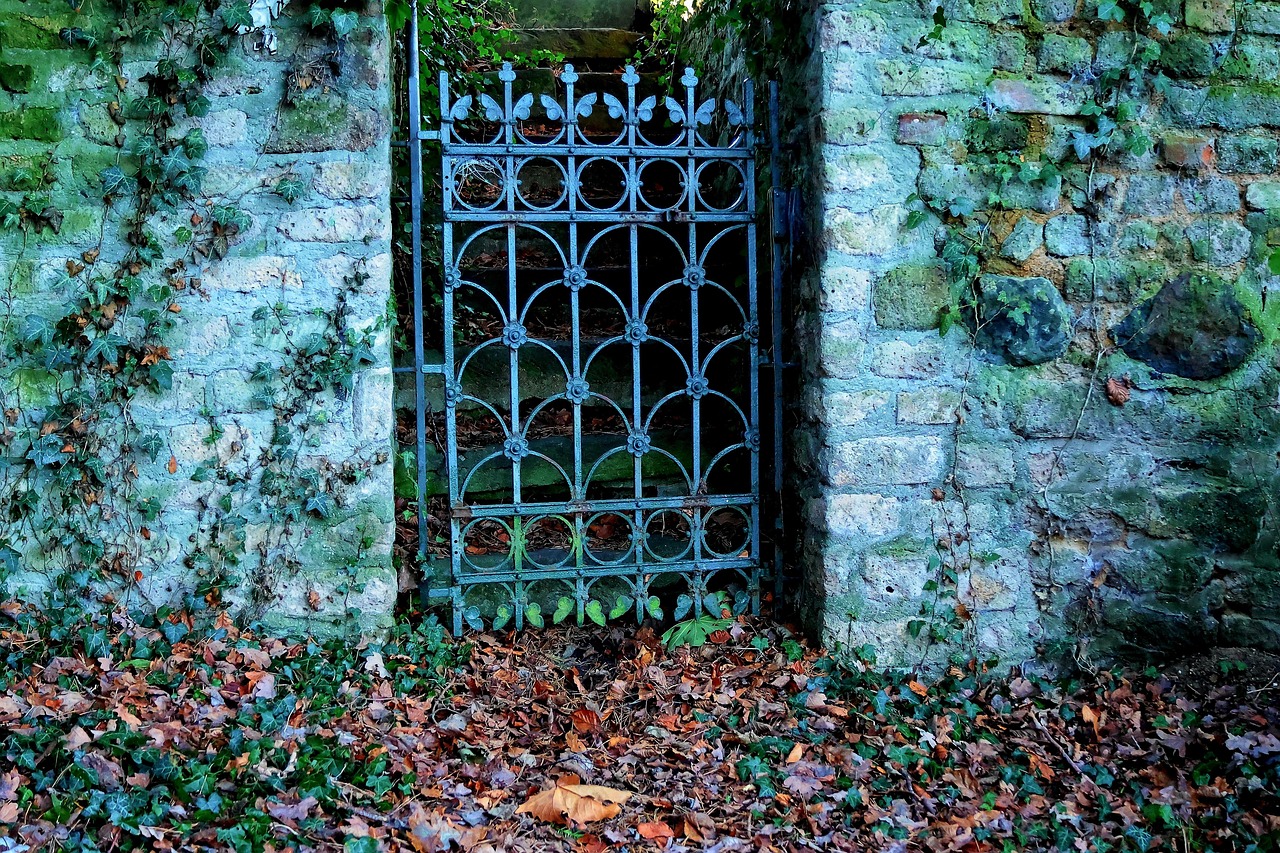
A walkway gate closes behind a person when it hangs on spring hinges or a tension hinge and meets a latch that catches on its own. The pieces are simple, but they have to be tuned to the weight of the leaf, the wind on the site and the way the gate is used, or the gate will either fail to close or slam hard enough to wreck itself.
Why self closing matters
A gate left open defeats its purpose. Pets wander out, children wander in, and a quiet side yard becomes an open path. Self closing hardware solves the problem without relying on anyone remembering to push the gate shut. On walkways between older houses, where the gate may be used many times a day by family, visitors and delivery drivers, an automatic close is nearly a necessity.
Some gates must close by rule. Pool barriers, for example, usually require a gate that closes and latches by itself, and the latch must be out of reach of small children. Check local requirements before choosing hardware for any gate that protects a pool or similar hazard.
Spring hinges
A spring hinge contains a coil that tightens as the gate opens and pulls it back when released. Most are adjustable, with a screw or pin that changes the tension. They come in several grades, from light units for a small wood gate to heavy duty versions for a steel leaf, and the rating should match the weight of the gate. A hinge rated too light gives up after a season, and one rated too heavy makes the gate hard to open.
Two spring hinges usually work better than one, spaced a good distance apart. Each takes half the load, and the pair keeps the leaf from twisting. Some gates carry a spring hinge on top and a plain hinge on the bottom, which keeps tension adjustment simple while the lower hinge carries weight.
Tension and hydraulic closers
A hydraulic closer works like the closer on a screen door. A piston filled with fluid slows the gate as it nears the post, which prevents the slam that a bare spring causes. Closers mount on the gate and post, or are built into the hinge. They cost more than a plain spring, but they save the latch, the post and the neighbors' patience.
Adjustable closers let the closing speed be set in two stages, a normal swing and a slow final few inches. A gate that closes briskly through most of its swing and then slows near the latch catches reliably without banging. Hot Texas afternoons thin the fluid, so a closer may run faster in summer than in winter and need a small adjustment between seasons.
Latches that catch on their own
A gravity latch drops a bar into a catch as the gate closes, and a spring latch uses a tongue that clicks into a keeper. Both engage without any action from the user. A latch with a lock can be fitted too, which holds the gate shut against outsiders but still opens from the inside with a lever or a pull.
Look for a latch that is forgiving of small misalignment. Posts shift, and a latch that needs a perfect fit stops catching the first dry summer. A wide keeper and a latch with a little play in it keeps working as the gate sags or the post leans slightly. Make sure the latch can be operated with one hand, because a person carrying a load needs the other for the load.
Tuning the close
Tuning is a matter of patience. Start with the gate open about halfway and release it. If it swings shut and bounces open again, the spring is too strong or the closer is too fast. If it stops short of the latch, add tension or loosen the closer speed. Adjust a quarter turn at a time and test again after each change.
Test the gate in the conditions it will meet. Wind pushes or pulls on a solid gate and changes the way it swings, and a picket gate catches less wind than a solid one. Open the gate from both sides, and check that it still latches when opened wide or just a few inches.
Child and pet safety
A self closing gate is only as safe as its latch. Place the latch above the reach of a small child or use a latch that needs two actions, such as lifting and sliding. A top pull latch shielded from the outside prevents a child from reaching over the top, and a gate with narrow bar spacing keeps small pets from slipping through the gaps.
Check the gap below the gate as well. A leaf that clears the walk by several inches lets a small dog squeeze under, so the bottom rail should sit close to the ground or a strip of metal should block the opening.
Maintenance
Springs lose tension and hydraulic closers leak over the years. Check the close once or twice a year by opening the gate and letting it swing. A slow or incomplete close is the first sign that a spring or closer needs replacing. A drop of oil on the pivots and the latch bar keeps the movement smooth, and a check of the fasteners keeps the hardware from working loose on the post.
A gate that closes smoothly and latches on its own every time is a quiet piece of hardware that nobody notices. That is the sign it was chosen and tuned well.
Common problems and quick fixes
A gate that will not close fully usually has a spring set too loose, a bind at the hinge or a latch catch placed a little too far from the post. A gate that slams usually needs a closer or a softer spring. Squeaks come from dry pivots and respond to a drop of oil. If the gate closes but bounces back open, the latch tongue is not catching, so file the catch or move it slightly. Fixing each of these takes minutes, and a gate that behaves well from the start is far less likely to be propped open and forgotten.