Home / Attaching Gate Posts to Brick and Limestone Columns
Attaching Gate Posts to Brick and Limestone Columns
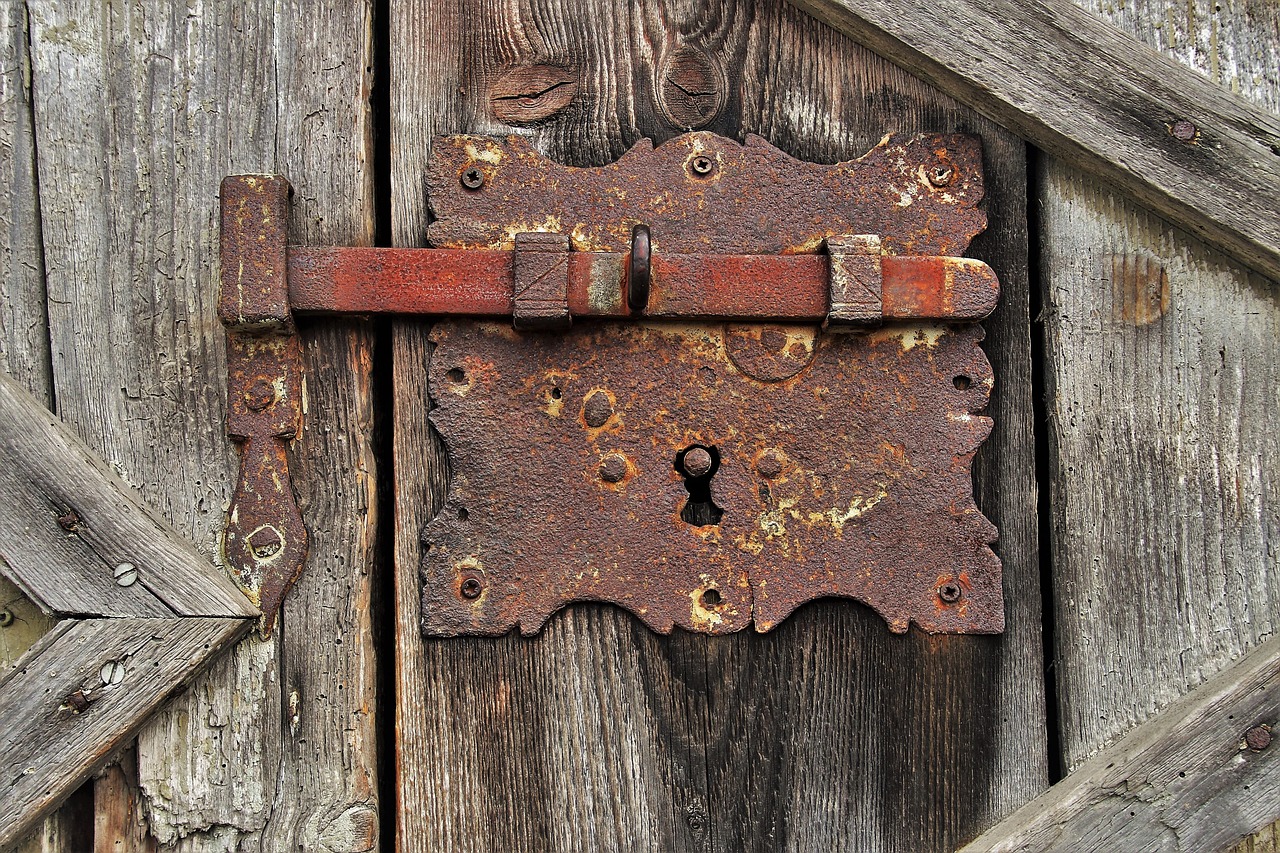
A gate can hang from a brick or limestone column only when the masonry is sound, the fasteners reach the solid core and the load is spread across more than one course of stone. Mortar alone will not hold a swinging leaf for long. The safest method is a through bolt or a steel plate set into the column, and the first job is always an honest inspection of what is there.
Inspect the column first
Older columns around Georgetown were built in many ways. Some are solid limestone blocks laid in lime mortar, some are brick veneer over a hollow center, and some are rubble filled pillars with a thin face. Each holds a fastener differently. Knock on the surface and listen: a hollow sound suggests a void that a bolt will pass straight through. Look at the joints for crumbling mortar, cracks that run across several courses and any lean in the column.
Press a screwdriver into the mortar. If it sinks in easily or the joint turns to sand, the column needs repointing before it can carry anything. A column that moves when pushed by hand has a failing base and should be rebuilt, not loaded with a gate. Hanging a heavy leaf from a weak column is the most common reason masonry cracks around a new gate.
Through bolts
The strongest attachment is a bolt that passes completely through the column and ties into a plate on the far side. A hole is drilled through the masonry with a long masonry bit, the bolt is slipped in, and a steel plate on each face spreads the pull over a wider area. This method suits solid brick and solid stone columns, and it keeps working even when the mortar around it ages. Use stainless or galvanized hardware so rust does not stain the stone.
Drill slowly and keep the bit sharp. Limestone is softer than brick and can chip at the exit hole, so back the cut with a block of wood or drill halfway from each side. The hole should be only slightly larger than the bolt, and a bead of sealant at each end keeps water from running along the shaft.
Embedded plates and hinge straps
When a column is being built or rebuilt, a steel plate with welded anchor legs can be laid into the masonry as the courses rise, and the hinge is welded or bolted to the plate afterward. The plate becomes part of the column and takes the load across many courses. On an existing column, a similar effect comes from cutting a vertical channel, setting a steel bar inside and grouting it in. This is more work, but it makes the strongest hanging point on old masonry.
A strap that wraps around the column, bolted behind it, avoids drilling the face at all. It works well for lighter gates and for columns that are decorative or irreplaceable, since it leaves the stone untouched. The strap should be wide enough to spread the load and should sit snug so it does not slide.
Expansion and epoxy anchors
Where a through bolt is not possible, anchors can be set into the face of the column. Mechanical expansion anchors grip by pressing against the walls of the hole, and they suit solid brick and dense stone. Epoxy anchors bond the rod to the masonry with resin, which spreads the load and works in softer material. Both need clean, dust free holes, correct depth and full cure time before the gate is hung. In soft limestone or crumbly mortar, epoxy is usually the better choice.
Never set an anchor in a mortar joint if it can be avoided. Mortar is the weakest part of the wall, and a bolt there will pull out under the daily swing of a heavy gate. Aim for the center of a brick or stone, well away from the edges, and keep anchors at least a few inches from corners.
Spreading the load
A hinge pulls outward at the top and pushes inward at the bottom, so the top fastening takes the harder work. Place the top hinge as high as the leaf allows and use more than one fastener on it. Where two columns face each other, the latch side needs far less strength than the hinge side, but both must stay plumb. If the hinge column is weaker than the latch column, consider hanging the gate on the stronger one.
A heavy gate may call for a steel post set beside the column, with the hinges welded to the post and the column left to serve as a decorative frame. This avoids loading old masonry at all and is often the right answer for a leaf of any real weight.
Sealing and protecting the masonry
Water is the enemy of any hole in masonry. Seal every drilled hole around the fastener with a flexible sealant, and slope any metal plate so water runs off it instead of into the joint. Where metal meets stone, a gasket or a thin bead of sealant keeps rust from bleeding onto the face. Repoint any mortar joints that were disturbed using a mortar that matches the age of the wall, since a mix that is too hard can crack soft stone and old brick.
Check the work after the first heavy rain and again after the first long dry spell. A hairline crack that appears near a fastener is a sign the load is too concentrated, and it is far easier to add a second anchor than to repair a split column later.
Keeping the gate straight
Adjustable hinges make up for small shifts in old masonry, which rarely stays perfectly plumb. A hinge that allows a quarter inch of movement in each direction lets the leaf be tuned after the anchors cure. Set the gate with a small gap at the latch side and check the swing before final tightening. A gate that closes cleanly on its first day usually keeps doing so, while one that needs forcing will wear its fastenings loose.
With a sound column, a proper through bolt or plate and a little sealant, a masonry post can carry a gate for decades. The attachment is the part nobody sees, and it is the part that decides whether the gate stays level for a lifetime.