Home / Repairing or Replacing an Old Gate in Georgetown
Repairing or Replacing an Old Gate in Georgetown
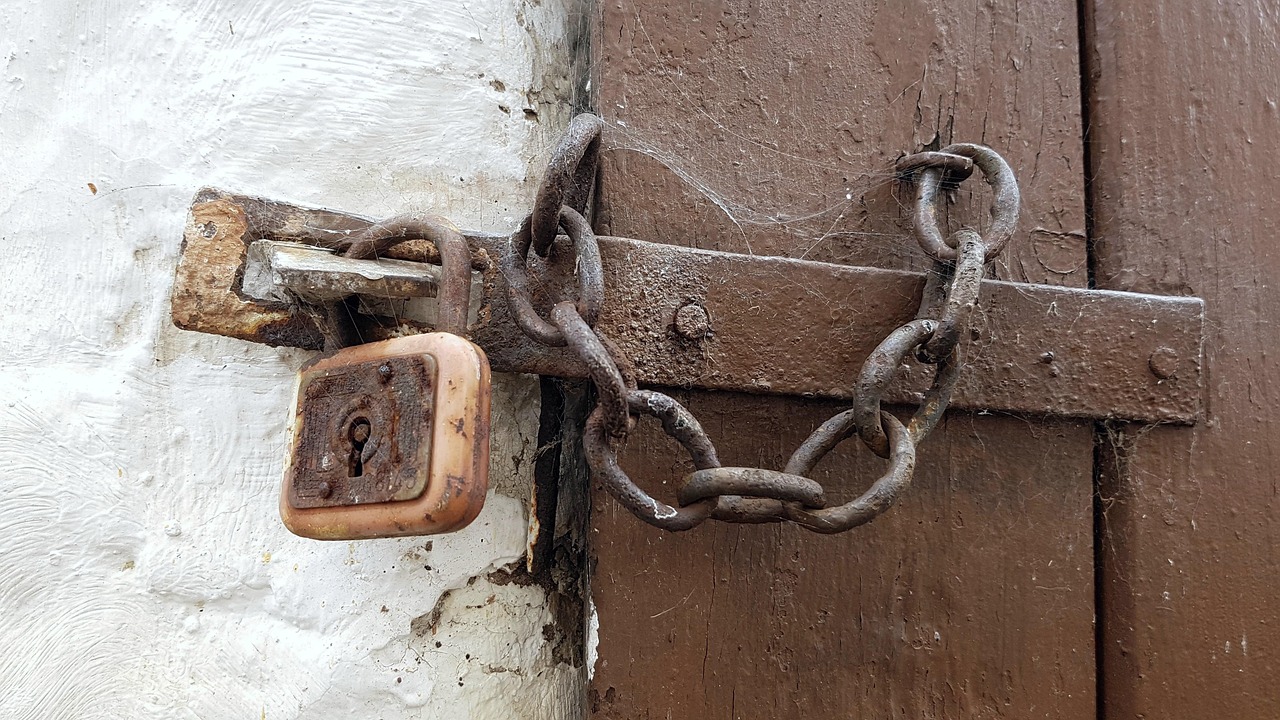
An old gate in Georgetown is worth repairing when the frame is straight, the welds are sound and the bars are thick enough to take a new finish. It should be replaced when the metal has rusted through in structural spots, the frame is bent beyond easy correction, or the posts have moved so much that the gate cannot be rehung without rebuilding the opening. A short inspection with a screwdriver, a level and a good light will usually settle the question.
Start by finding out why it fails
Gates rarely fail for one reason. A leaf that drags on the ground may have sagging hinges, but it may also be hanging from a post that has leaned. A latch that will not catch could be worn, or the gate could have shifted a quarter inch because the ground moved. Before spending anything, work out the cause, because fixing a symptom brings the problem back within a season.
Open and close the gate slowly and watch. Does the leaf rub at the bottom, the top or the latch side? Does the gap between leaf and post change as it swings? Does a post wobble when pushed? Those clues point to hinges, to posts or to the leaf itself, and each has a different repair.
Reading the rust
Surface rust is cosmetic and easy to deal with. It shows as orange powder or flaking paint and brushes off to leave sound metal beneath. Rust that has pitted the steel is more serious, and rust that has caused layers of metal to flake apart or created holes is structural. Poke the suspect areas with a screwdriver. If it sinks in or the metal crumbles, that section is gone.
Look hardest at the bottom rail, the hinge welds and any hollow sections. Water gathers in these spots and rusts them from the inside, so a gate that looks fine from the outside can be failing within. A tap with a hammer tells a lot: a solid ring means good metal, a dull thud may mean a hollow, rotted section.
Checking the frame
A good gate frame is square and flat. Lay the leaf on the ground or hold a long level across it and check that the corners are at right angles and the face is not twisted. A frame that is slightly out of square can be pulled back with a turnbuckle or a diagonal brace. One that is twisted or has bars bent from impact needs more work, and the cost of straightening can approach the cost of building new.
Cracked welds are another sign. A hairline crack at a corner joint suggests the frame has been flexing, often because the hinges or posts have let it sag. Welds can be ground out and redone, but the cause of the flexing must be fixed too, or the new weld will crack in time.
Posts decide more than the gate does
Many gate failures are post failures. Central Texas soils move: black clay east of town swells in wet weather and shrinks in dry, and shallow limestone to the west offers little grip for a poorly set post. A post that leans pulls hinges out of line, and no amount of fiddling with the leaf will fix it. Test each post by pushing at the top and watching the base for movement, and check plumb with a level on two faces.
If a post is loose, resetting it in a deeper concrete footing is usually the correct repair. If the footing itself has cracked, it needs to be broken out and recast. Where the existing posts are masonry, inspect the mortar and look for cracks, since a gate hung from a failing pier will not stay aligned.
When repair makes sense
Repair is the right path when the metal is sound and the problems are limited and fixable: worn hinges, a bent latch bar, a few rusty spots, a post that needs resetting. These are inexpensive fixes with a high payoff. A gate with historic character, hand forged detail or a style that matches the house is also a strong candidate for repair even when it needs more work, since a replacement may never match it.
A full refinish is often the best value. Stripping old paint, treating rust, applying zinc rich primer and a fresh topcoat can give an old gate decades of additional life and a finish as good as new. Because older paint may contain lead, stripping should be done with proper controls, and any shop doing the work should know how to handle it.
When replacement makes sense
Replacement is the better choice when rust has eaten through major members, when the frame is badly bent, when the style no longer suits the house or when the opening has changed and the gate no longer fits. A gate that has been repaired several times and keeps failing in new places is telling its owner something. The same is true when the gate is too light for its use, such as a thin garden gate asked to handle daily vehicle traffic.
A new gate is also a chance to fix design flaws the old one had: drain holes in the bottom rail, heavier hinges, a better latch, a stop to keep the leaf from swinging too far. Owners often discover that the replacement lasts longer simply because it was built with lessons from the first one.
Hinges and hardware
Even a sound gate can be ruined by worn hardware. Look at hinge pins for wear, check that bolts are tight and that nothing is rusted solid. Replace pins and bushings when play appears, since a loose hinge lets the leaf drop and wears the post. Latches that no longer align can often be fixed by adjusting the strike plate or adding a guide, which is a small job compared to rebuilding a gate.
When buying replacement hardware, choose parts rated well above the weight of the gate. Galvanized or stainless fasteners avoid the rust streaks that stain stone and brick, and greasable hinges last much longer in a hot, dusty climate.
Finish, care and keeping it up
Whichever path is taken, the finish decides how long the work lasts. Clean metal, a zinc rich primer, a good topcoat and sealed seams make a coating system that resists Texas sun and spring rain. Once the work is done, a simple yearly routine of washing, touching up chips and oiling hardware keeps the gate in shape for many years.
Georgetown has plenty of old gates that are still doing their job after decades because someone cared for them. A careful look at the metal, the posts and the hardware will tell an owner whether theirs can be one of them, or whether it is time for a fresh start.